Scales of
Measurement

Dr. Ajay Kumar Koli, PhD | SARA Institute of Data Science, India

Maths & Statistical Notation

Simple Maths

\[ 1 + 2\times3^2 \]

Answer: 19

BODMAS

  1. Brackets

  2. Order (Power)

  3. Divide

  4. Multiplication

  5. Addition

  6. Subtraction

What will be the answer to this?

\[ 10 + \frac{2(3+1)^2}{8} - 5 \]

\[ 10 + \frac{2\times16}{8} - 5 \]

Answer: 9

Let’s Understand this

\[ \sum_{i=1}^n x_i \]

Let’s Understand this

\[ \sum_{i=1}^n x_i \\ = 10 + 6 \\ = 16 \]

Let’s Try this

\[ \sum_{i=1}^n x^2_i \]

Let’s Try this

\[ \sum_{i=1}^n x^2_i \\ = 10^2 + 6^2 \\ = 100 + 36 \\ = 136 \]

Let’s Try this

\[ \left( \sum_{i=1}^n x_i \right )^2 \]

Let’s Try this

\[ \left( \sum_{i=1}^n x_i \right )^2 \\ = (10+6)^2 \\ = 16^2 \\ = 256 \]

Scales of Measurement:


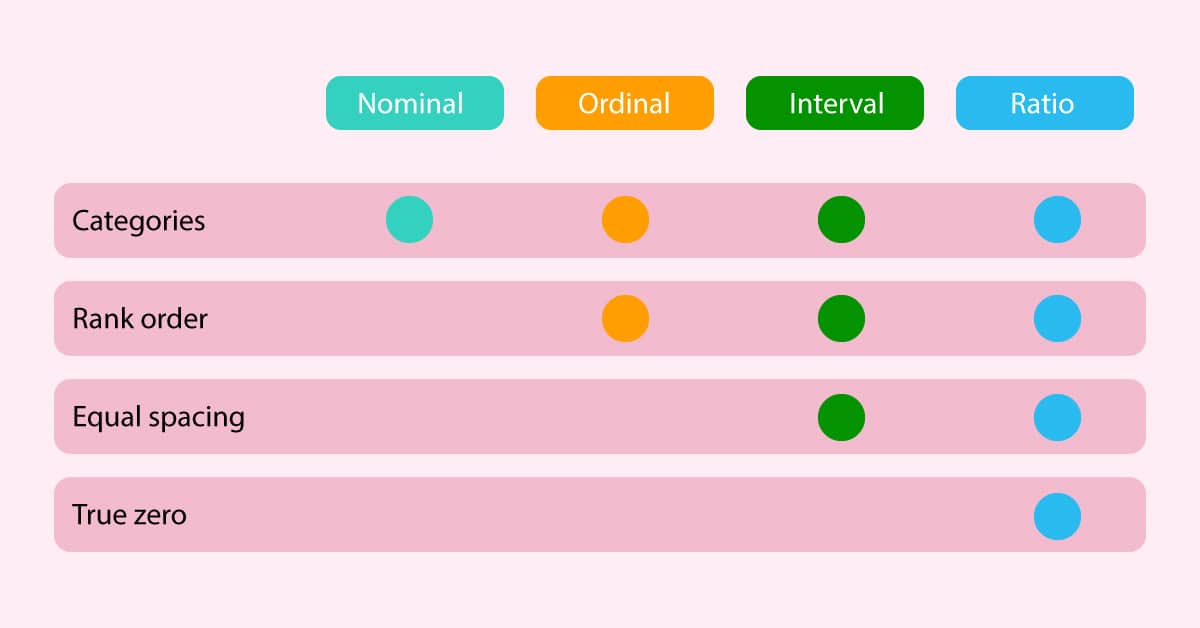
The scales of measurement are a way to classify data based on their attributes and the mathematical operations that can be performed on them.

Scales of Measurement:

They are classified into four types:

  • Nominal scale.

  • Ordinal scale.

  • Interval scale.

  • Ratio scale.

Nominal Scale

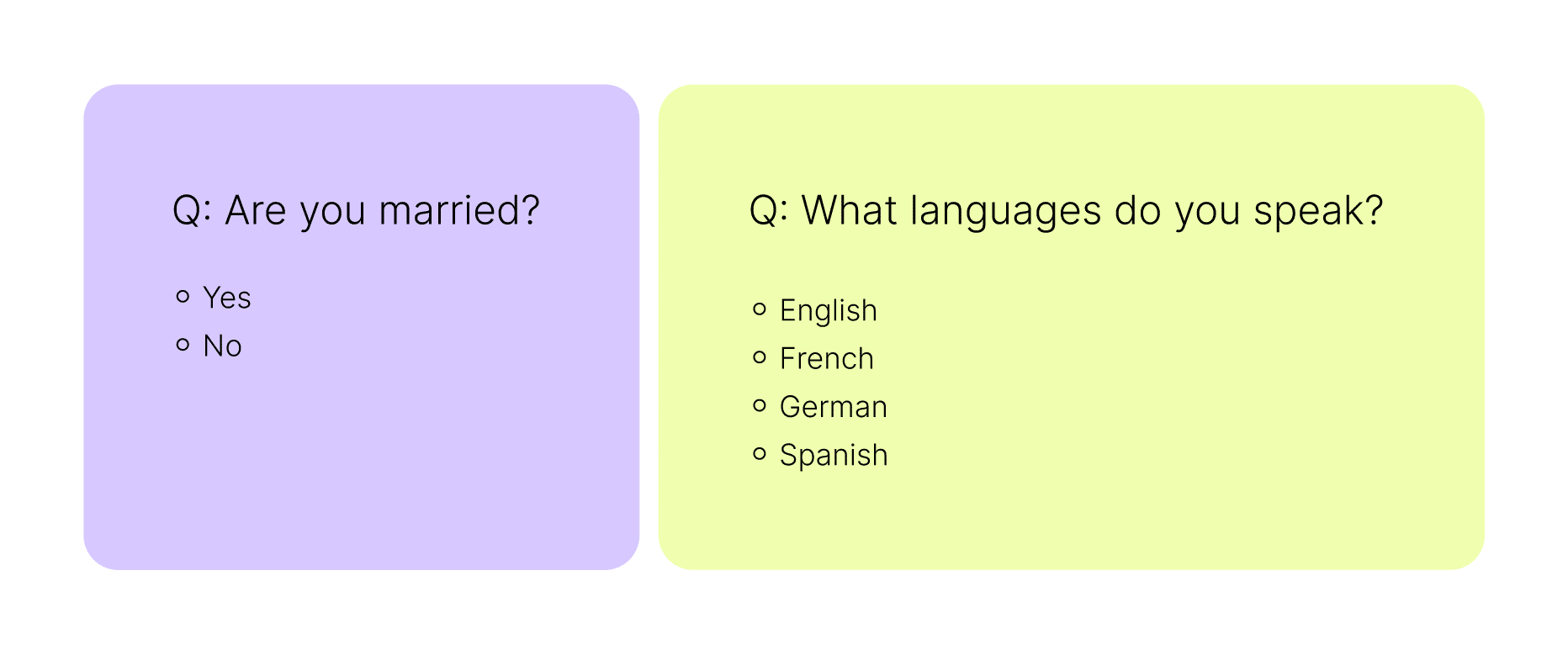
Categorizes data without any order or rank.
🤯 Practice Sheet

  • Creating Nominal Variables.

  • Examples: Gender (Male, Female), Colors (Red, Blue, Green), or Types of Fruits.

  • Visualization: Bar chart or Pie chart.

  • Analysis: Frequency counts, mode, chi-square tests.

Ordinal Scale

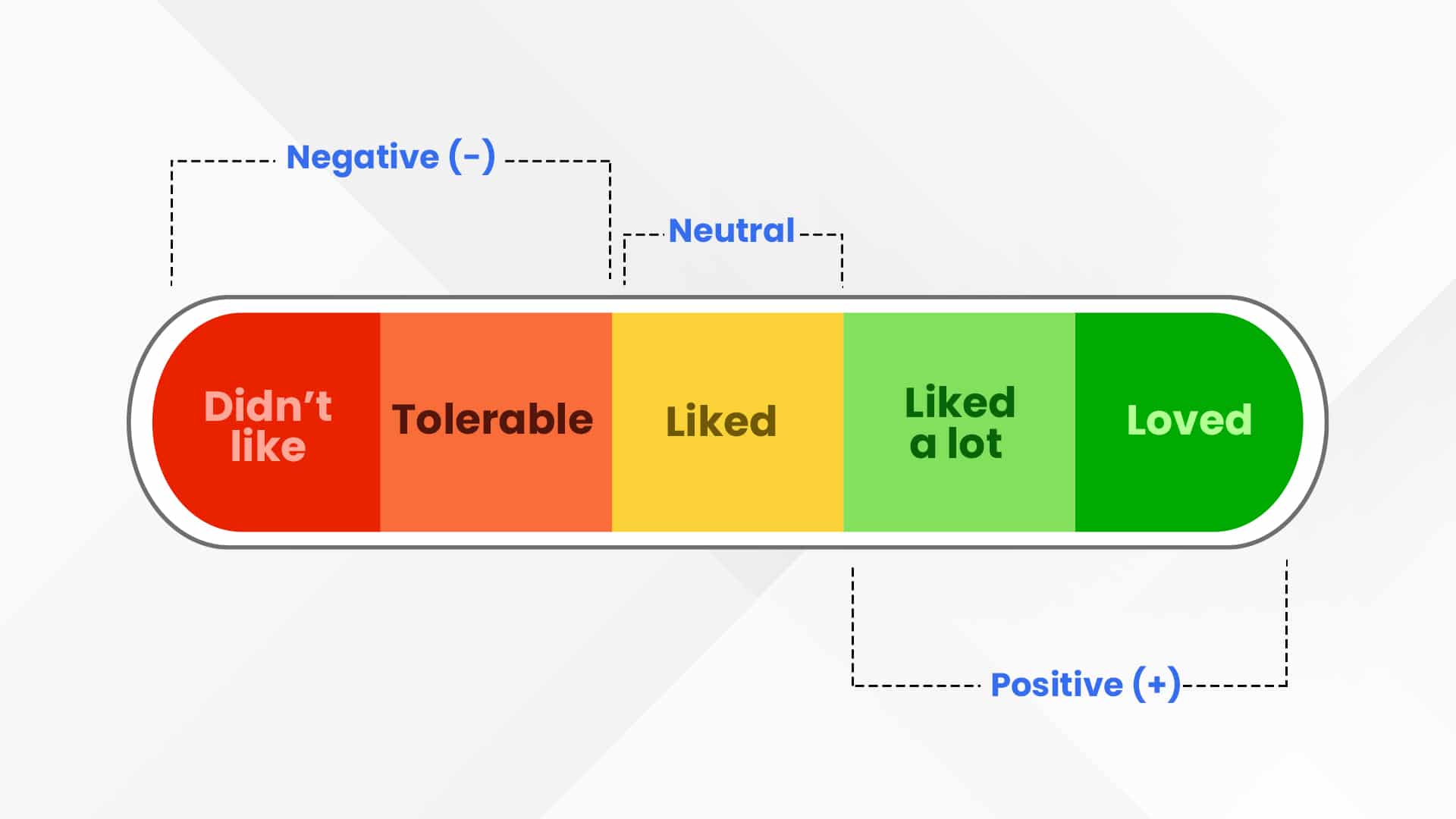
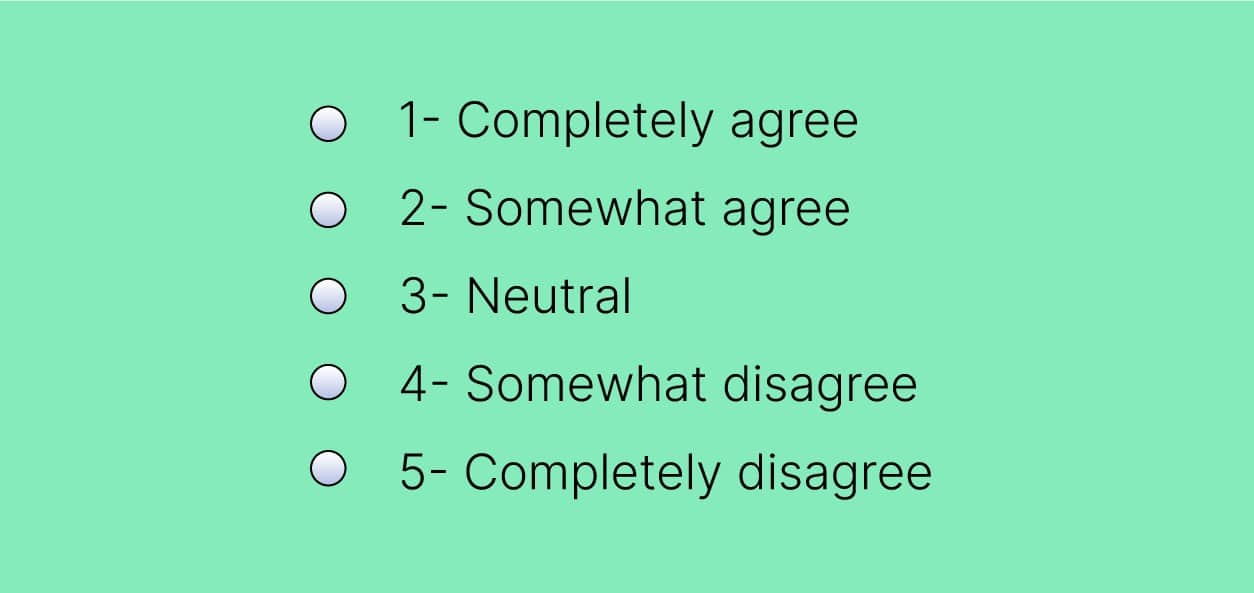
Data with a meaningful order but unequal intervals.
🤯 Practice Sheet

  • Creating Ordinal Variables.

  • Examples: Education level (High School, Bachelor’s, Master’s, Ph.D.), Customer satisfaction (Poor, Fair, Good, Excellent).

  • Visualization: Bar chart or Box plot.

  • Analysis: Median, rank correlation.

Interval Scale

Ordered data with equal intervals but no true zero point.
🤯 Practice Sheet

  • Creating Interval Variables

  • Examples: Temperature in Celsius or Fahrenheit, IQ scores.

  • Visualization: Histogram, Line graph.

  • Analysis: Mean, standard deviation, correlation, regression.

Ratio Scale

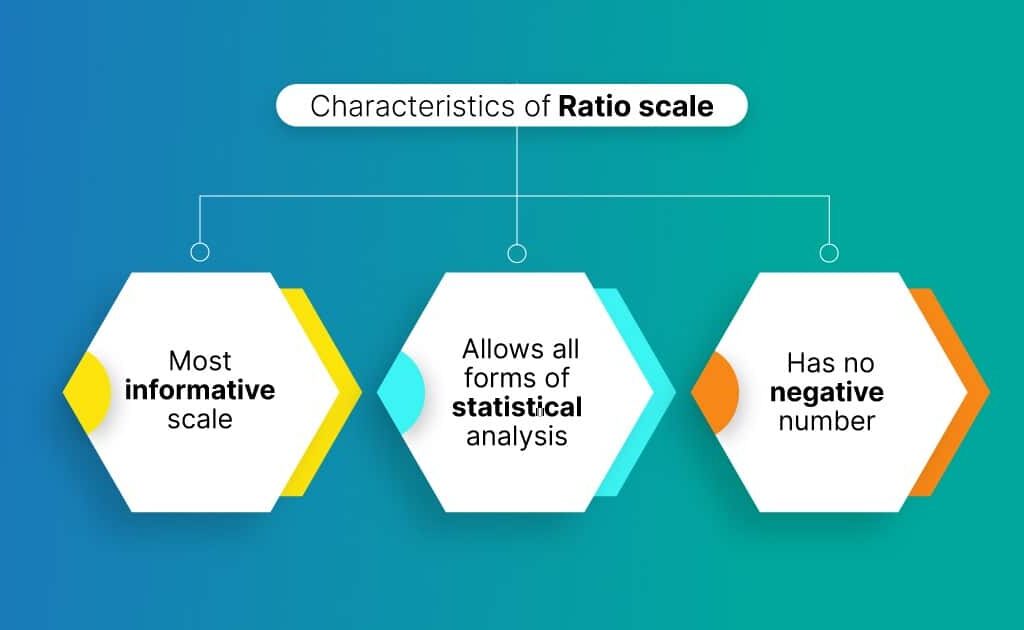
  • Ordered data with equal intervals and a true zero point.
🤯 Practice Sheet

  • Creating ratio Variables

  • Examples: Weight, Height, Income, Age.

  • Visualization: Histogram, Scatter plot.

  • Analysis: All statistical methods (mean, median, mode, ratio comparisons).

Different Types of Scales

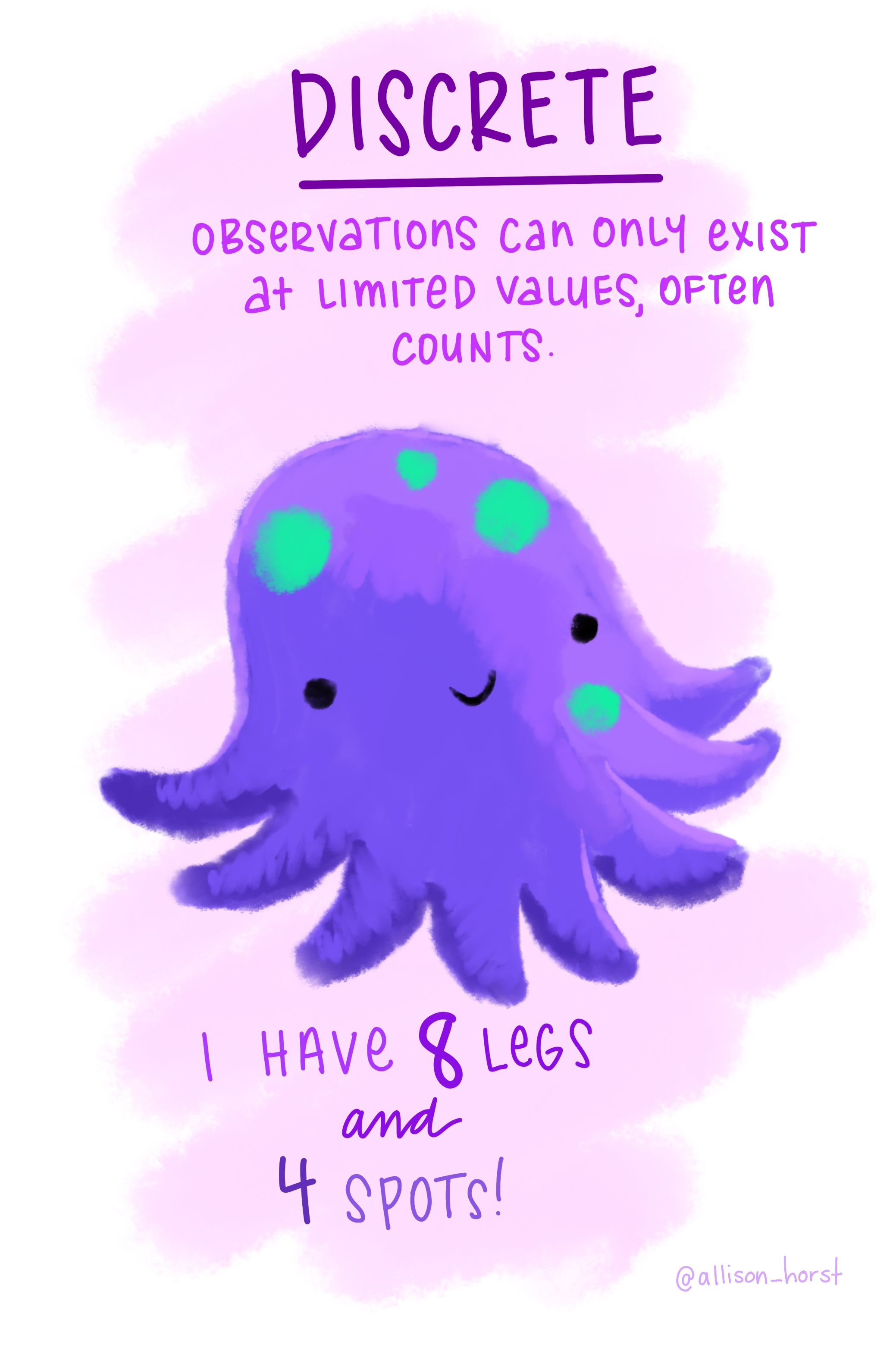
Discrete Variables

  • Represent countable values, often whole numbers.

  • Examples: Number of students, dice rolls, cars in a parking lot.
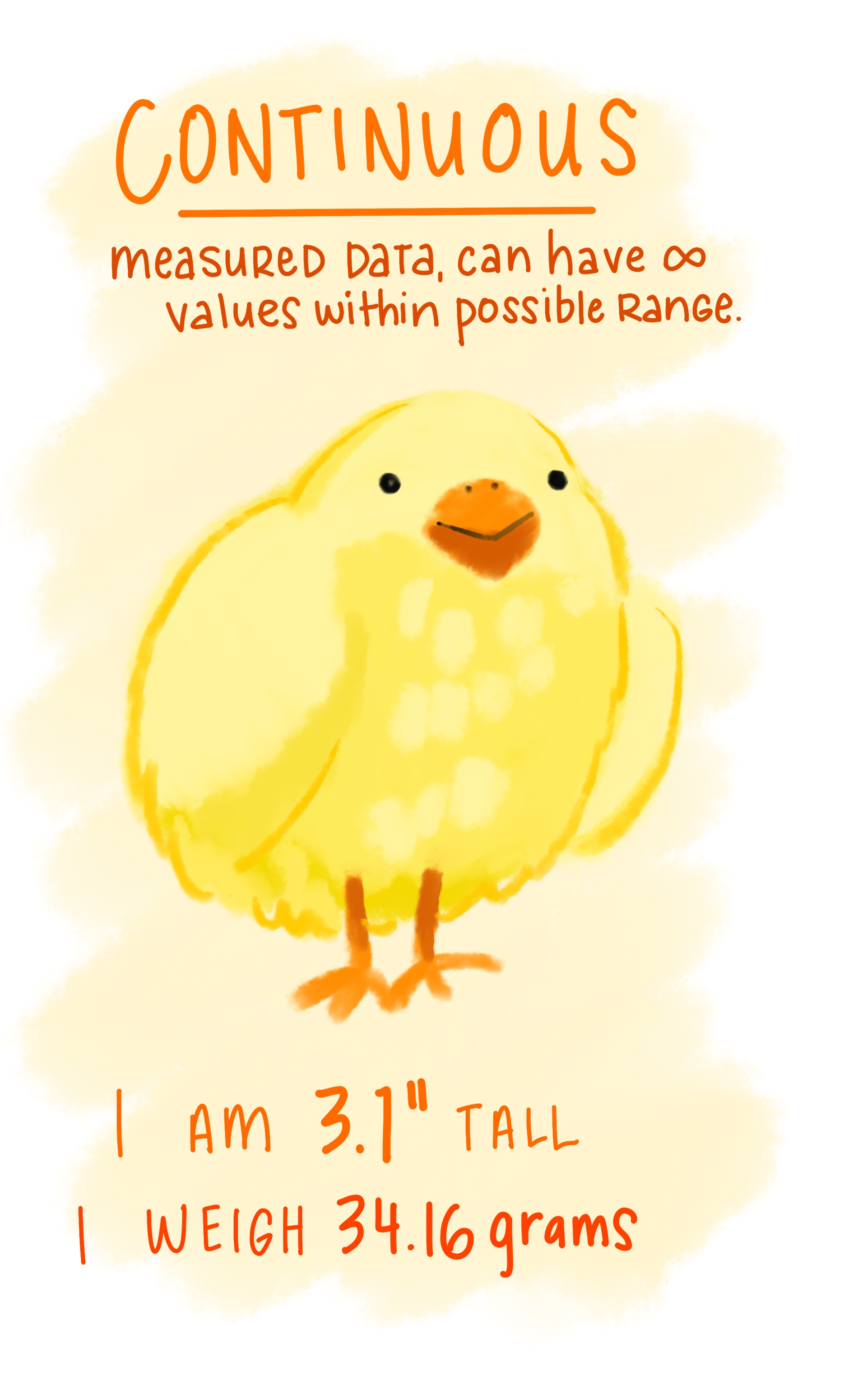
Continuous Variables

  • Represent measureable values, including fractions or decimals.

  • Examples: Height, weight, time, temperature.
🤯 Practice Sheet

  • Discrete Variables, visualization and analysis.

  • Continuous Variables, visualization and analysis.

  • Combining Discrete and Continuous Variables.